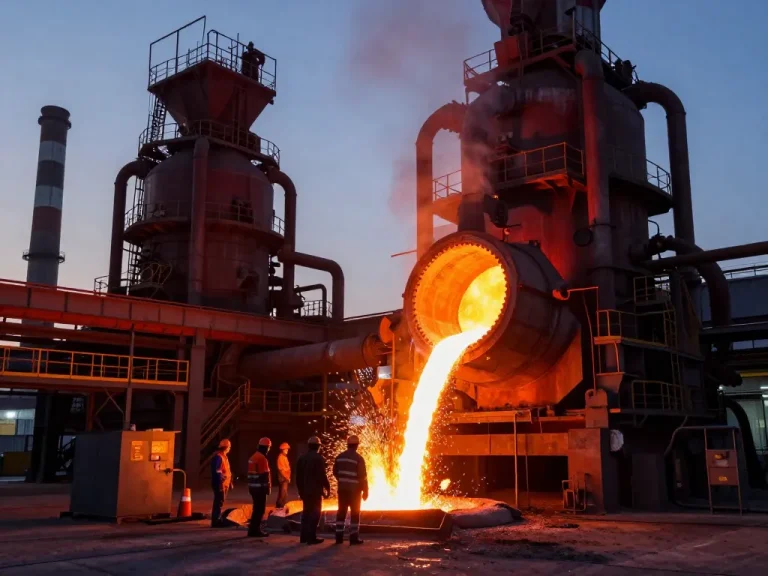

Overview of the Sumwin Stainless Steel Industry
The Sumwin brand is rapidly gaining prominence in the stainless steel industry, recognized for its dedication to quality and innovation. As a leading producer of various stainless steel products, Sumwin plays a significant role in the global supply chain, enhancing not only construction and manufacturing sectors but also contributing to advancements in new materials. Understanding the intricacies of the sumwin stainless steel production process is crucial for stakeholders looking to leverage its unique offerings to meet the demands of a dynamic marketplace.
What is Sumwin and Its Significance in Steel Production?
Founded to cater to the rising demands for stainless steel in various applications, Sumwin has established itself as a pivotal player in the industry. The company’s innovative approach ensures that its products, such as pipes, tubes, and custom fabrications, meet rigorous international standards. These products are vital for sectors ranging from automotive and aerospace to construction and food processing, emphasizing the importance of quality and durability.
Current Trends in Stainless Steel Manufacturing
The stainless steel manufacturing landscape is evolving due to technological advancements and changing industry requirements. Key trends include:
- Increased Automation: Automation technologies, such as robots and AI-driven systems, are streamlining production processes, reducing labor costs, and increasing efficiency.
- Customization: There is a growing demand for customized solutions, with companies investing in flexible manufacturing systems that can adapt to unique client specifications.
- Sustainability: As industries become more environmentally conscious, sustainable production practices are being prioritized, including the use of recycled materials and eco-friendly manufacturing processes.
Challenges Facing the Sumwin Industry Today
Despite the promising landscape, the Sumwin stainless steel industry faces several challenges, including fluctuating raw material costs and increasing competition from alternative materials. Additionally, the environmental impact of production processes has come under scrutiny, urging manufacturers to adopt more sustainable practices to minimize their carbon footprint.
Technological Innovations Driving Change
Advanced Machinery in Sumwin Manufacturing
Investments in advanced machinery are crucial for enhancing the quality and efficiency of Sumwin stainless steel manufacturing. Equipment such as high-precision cutting tools, CNC machines, and laser welding systems enable manufacturers to produce high-quality products with tighter tolerances. These technologies not only improve the production process but also enhance the overall quality of the finished products.
Automation and Robotics in Steel Production
The integration of automation and robotics in steel production is revolutionizing the industry. Automated systems increase productivity and reduce the risk of human error, which is particularly crucial in high-volume manufacturing environments. Robotics also facilitate complex operations like material handling and quality assurance, allowing companies like Sumwin to focus on innovation and efficiency.
Software Solutions for Production Efficiency
Modern manufacturers are leveraging software solutions such as enterprise resource planning (ERP) systems and advanced analytics to optimize production processes. These tools provide real-time data insights, enabling Sumwin to streamline operations, manage inventory effectively, and make informed decisions based on market trends.
Best Practices for Quality Control
Implementing Quality Assurance Protocols
Quality assurance is critical in the Sumwin stainless steel industry, ensuring that products meet or exceed industry standards. Implementing robust quality control protocols, such as regular inspections and testing of materials, can help identify issues early in the production process, minimizing waste and ensuring customer satisfaction.
Monitoring Production Standards in Sumwin Manufacturing
To maintain high production standards, it is essential for manufacturers to create a culture of continuous improvement. This involves training employees on best practices, using performance metrics to track progress, and regularly reviewing processes to identify areas for enhancement.
Case Studies on Successful Quality Control
Examining successful case studies can provide valuable insights into effective quality control measures. For instance, a leading Sumwin manufacturer implemented a comprehensive quality management system that resulted in a 20% reduction in defects over a year, highlighting the importance of commitment to quality in driving business success.
Environmental Considerations and Sustainability
Impact of Steel Production on the Environment
The environmental impact of steel production is a pressing issue, with significant carbon emissions and resource consumption associated with traditional manufacturing processes. Understanding these impacts is crucial for stakeholders in the Sumwin industry as they navigate the challenges of regulatory compliance and public scrutiny.
Sustainable Practices in Sumwin Manufacturing
As the industry shifts toward sustainability, Sumwin is adopting practices that reduce environmental harm. This includes utilizing energy-efficient technologies, recycling waste materials, and sourcing raw materials responsibly. By embracing sustainability, Sumwin not only meets regulatory requirements but also enhances its brand reputation.
Future Regulations and Compliance Standards
Looking forward, manufacturers in the Sumwin stainless steel sector must prepare for stricter regulations related to environmental sustainability. Understanding and integrating these compliance standards upfront will be crucial for maintaining a competitive edge while also contributing to global sustainability goals.
Looking Ahead: The Future of Sumwin Manufacturing
Emerging Market Opportunities for Sumwin Products
The future of Sumwin manufacturing is promising, with emerging market opportunities in sectors such as green construction, renewable energy, and electric vehicles. These markets require high-quality stainless steel products that can withstand increased demands for durability and performance.
Predicted Industry Developments Through 2026
As we approach 2026, key developments in the Sumwin industry may include advancements in smart manufacturing, increased adoption of AI and machine learning in production processes, and a stronger focus on sustainability initiatives. These trends will likely shape the competitive landscape, influencing how companies position themselves in the market.
Preparing for Change: What Manufacturers Should Know
Manufacturers must remain agile in adapting to changes in technology, regulations, and market demands. Investing in employee training, upgrading machinery, and fostering a culture of innovation will be essential for staying ahead of competitors in the evolving Sumwin manufacturing landscape.
What are the key benefits of using Sumwin stainless steel?
Using Sumwin stainless steel offers several advantages, including superior corrosion resistance, durability, and aesthetic appeal. These attributes make it a preferred choice across various industries, leading to long-term cost savings and enhanced product longevity.
How does Sumwin compare to its competitors in the industry?
Compared to its competitors, Sumwin stands out due to its strong commitment to quality, innovative production techniques, and customer-centric approach. This focus enables the company to deliver products that meet the specific needs of its clients, often surpassing industry standards.
What innovations are expected in the Sumwin manufacturing process?
Future innovations in Sumwin manufacturing may include the integration of sustainable materials, enhanced automation levels, and the use of advanced analytics to improve operational efficiency. These innovations aim to align with global trends toward sustainability and technological advancement.
What are the current environmental impacts of stainless steel production?
The production of stainless steel currently contributes significantly to carbon emissions, energy consumption, and resource depletion. It is crucial for the industry to adopt more eco-friendly practices to mitigate these impacts and support global sustainability efforts.
How can companies improve quality control in their Sumwin manufacturing processes?
Companies can enhance quality control by investing in training programs, adopting modern quality assurance technologies, and implementing feedback loops to continuously assess and improve production methods. Focusing on these areas will lead to better product quality and customer satisfaction.
About the Author